
Basements That Stay Dry Through Flood Season
Basement Waterproofing in Henderson for homes facing hydrostatic pressure from Ohio River bottomland soils
Henderson's location in the Ohio River basin creates persistent moisture problems for basements, where saturated bottomland soils hold water and push it against foundation walls through hydrostatic pressure. Bluegrass Waterproofing and Restoration addresses this recurring issue with diagnostic waterproofing that accounts for both seasonal flooding patterns and year-round soil moisture behavior across Henderson and the surrounding Kentucky region. Downtown Henderson properties and homes in Spottsville face especially high risk during spring thaw, when the water table rises and forces groundwater into basements through wall joints, floor cracks, and porous concrete.
The first step in proper basement waterproofing involves determining whether water enters through hydrostatic pressure from below or surface infiltration from above, because each source requires a different correction method. Hydrostatic pressure demands interior drainage systems or exterior excavation to relieve the force pushing water through foundation materials, while surface water needs grading corrections and exterior membrane barriers. Skipping this diagnostic step leads to mismatched solutions that fail within one or two wet seasons.
Schedule a basement inspection to identify the specific water entry points and pressure sources affecting your property.
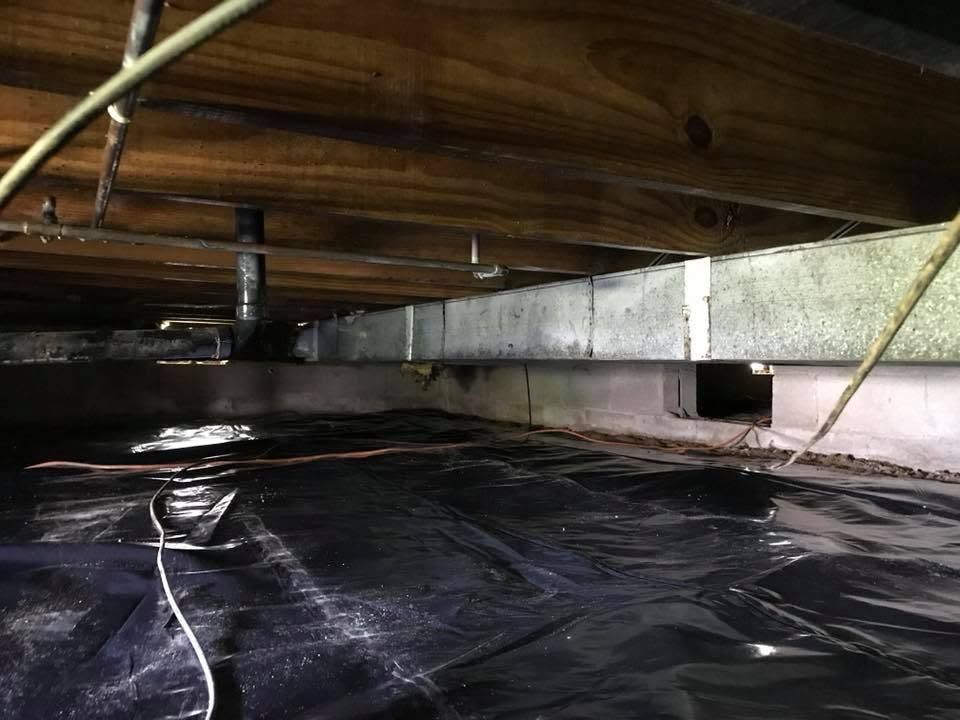
What Proper Waterproofing Requires
Effective waterproofing in Ohio River basin conditions means addressing the constant moisture load that bottomland soils place on foundation walls throughout the year, not just during visible flooding events. The freeze-thaw cycle that runs from late winter into early spring adds a secondary pressure source, as ice expansion in saturated soil drives water toward any available crack or joint in the foundation system.
Once waterproofing work is completed, you'll notice that basement floors stay dry during heavy rain, musty odors disappear as humidity drops, and efflorescence—the white mineral deposits that form on damp concrete—stops appearing on walls. Stored items no longer develop mildew, and the basement becomes usable space year-round instead of a seasonal liability. Bluegrass Waterproofing and Restoration tracks these results across repeat clients throughout the region, where Ohio River moisture patterns create predictable and recurring challenges.
Waterproofing scope varies depending on whether the solution requires interior drainage installation, exterior membrane application, crack injection, or sump pump systems. Some properties need combined approaches when both hydrostatic pressure and surface infiltration contribute to water entry. The method selected depends on soil type, foundation age, and the specific failure points identified during the initial assessment.
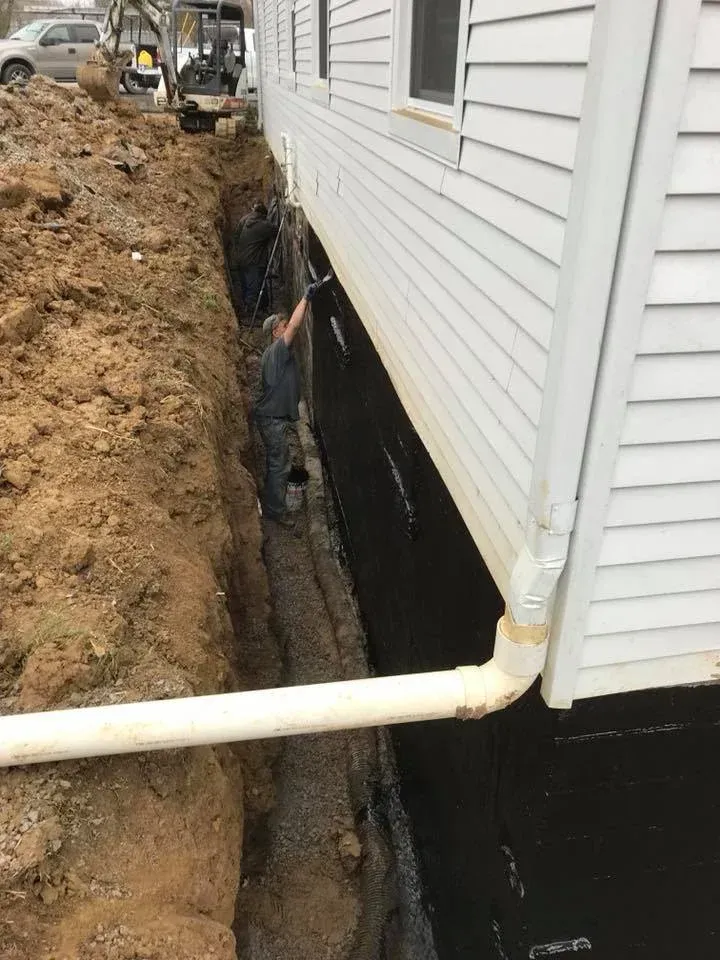
What Property Owners Usually Ask
Homeowners across Henderson and the Ohio River basin region typically have similar concerns about basement waterproofing, especially when dealing with seasonal flooding risk and chronic moisture intrusion.
What causes water to enter basements in Henderson?
Hydrostatic pressure from saturated bottomland soils pushes groundwater through foundation walls and floor joints, especially during spring thaw when the water table rises and saturated soil cannot absorb additional runoff.
How do you determine whether interior or exterior waterproofing is needed?
The water source determines the method—hydrostatic pressure from below typically requires interior drainage systems or exterior excavation, while surface infiltration needs grading corrections and exterior barriers.
When is the best time to waterproof a basement?
Late summer and fall allow for exterior excavation work before freeze-thaw cycles begin, though interior systems can be installed year-round and active water intrusion requires immediate response regardless of season.
What happens if waterproofing is delayed?
Chronic moisture exposure deteriorates foundation concrete, rots floor joists and sill plates, and creates conditions for mold growth that spreads into upper living areas through wall cavities and ductwork.
How long does waterproofing work take?
Interior drainage systems typically require two to four days depending on basement size and the number of water entry points, while exterior excavation projects take longer and depend on soil conditions and access around the foundation perimeter.
Bluegrass Waterproofing and Restoration provides 24-hour emergency services for active water intrusion events and serves repeat customers across the region who recognize that Ohio River basin moisture patterns require specialized knowledge. Request a diagnostic assessment to determine which waterproofing approach fits your property's specific water entry pattern and soil conditions.