Finished Basements Fail When Moisture Wasn't Part of the Plan
Interior Remodeling in Henderson for basement finishing, water-damage recovery, and below-grade spaces that need moisture-resistant material selection from the start
Downtown Henderson and Corydon homes with older basements face a persistent challenge when finishing or refinishing lower-level spaces—standard drywall, carpet, and wood framing absorb moisture from concrete walls and floors, leading to mold growth, musty odors, and material failure within a few years. Bluegrass Waterproofing and Restoration handles both the waterproofing and the remodel under one roof, building moisture-resistant material selection into the finish work from day one so the space stays dry and functional long-term.
The remodel process specifies moisture-resistant drywall, vapor-open insulation, and subfloor systems designed for below-grade installation, preventing the finish work from trapping humidity against foundation walls or undoing waterproofing measures already in place. This integrated approach means you don't need two contractors working in sequence and hoping their scopes align.
Schedule a basement evaluation to review current moisture conditions and material options before starting finish work.
What Moisture-Resistant Remodeling Actually Accomplishes
Moisture-resistant materials allow water vapor to pass through without trapping it against cold concrete surfaces, which is how condensation and mold develop in traditional basement finishes. Inorganic backer board replaces paper-faced drywall in high-risk areas, engineered subfloor panels create an air gap between finished flooring and the slab, and closed-cell insulation prevents vapor transmission while adding thermal value to exterior foundation walls.
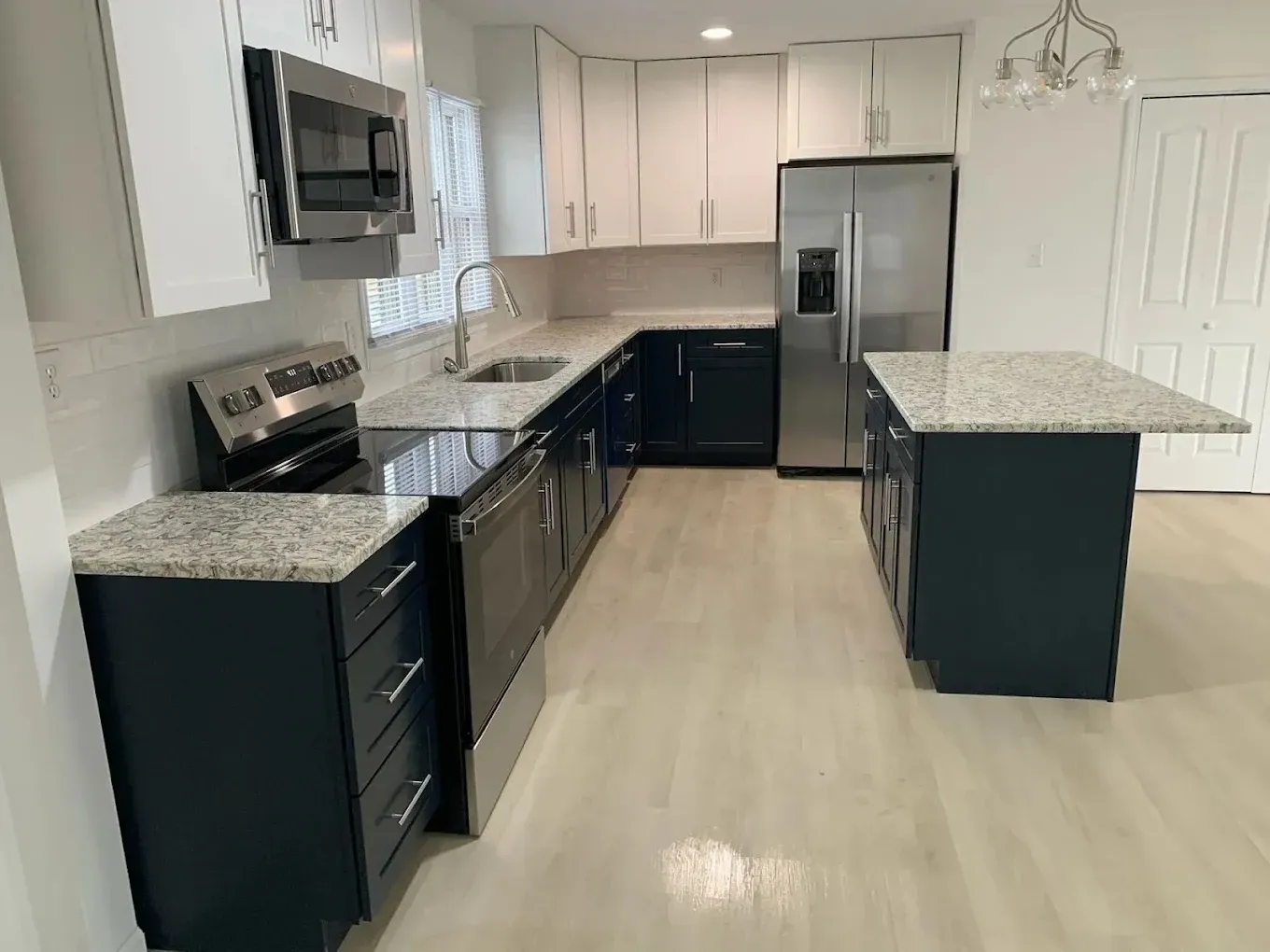
Once the remodel is complete, the basement no longer smells musty after rain, finished walls don't show water staining or efflorescence, and flooring remains stable without buckling or delamination from moisture exposure. The space functions as usable living area year-round rather than a seasonal problem zone that deteriorates between summers.
Interior remodeling includes framing, electrical and HVAC coordination, moisture-resistant wall and ceiling installation, flooring systems, and trim work. The service does not include plumbing rough-in for full bathrooms or structural modifications like beam installation—those require separate permitting and engineering.
Common Questions About This Service
Homeowners finishing basements or recovering from water damage in Henderson often ask about material choices, moisture control, and how the remodel integrates with waterproofing work.
What makes a basement remodel moisture-resistant?
Moisture-resistant remodeling uses inorganic or vapor-open materials that don't absorb water, trap humidity, or provide food for mold—this includes materials like cement backer board, engineered subfloor panels, and closed-cell foam insulation instead of traditional drywall, carpet pad, and fiberglass batts.
How does interior remodeling work with existing waterproofing systems?
The remodel is designed around the waterproofing already in place, using materials and installation methods that don't block drainage pathways, trap moisture behind finished walls, or interfere with dehumidification systems that keep the space dry.
Why do some finished basements in Henderson develop mold within a few years?
Mold develops when standard building materials like paper-faced drywall and organic insulation are installed in below-grade spaces where humidity and temperature differentials cause condensation—moisture-resistant materials eliminate the organic food source mold needs to grow.
What should I look for in a contractor doing basement finishing?
Look for a contractor who addresses moisture control as part of the remodel scope, specifies materials designed for below-grade installation, and understands how waterproofing systems interact with finished walls and floors.
When is the best time to remodel a basement after water damage?
Remodeling should only begin after the space has been fully dried, moisture sources have been corrected, and humidity levels stabilize below 60 percent—starting finish work while the space is still damp traps moisture behind new materials and guarantees failure.
Bluegrass Waterproofing and Restoration operates 24-hour emergency services for water-damage-driven remodel needs and maintains repeat business across rural and suburban Tri-State markets. Request a consultation to discuss material options and moisture management strategies specific to your basement conditions.