Drying That Actually Prevents Mold Growth
Water Damage Restoration in Henderson for properties affected by Ohio River rise events and freeze-thaw runoff
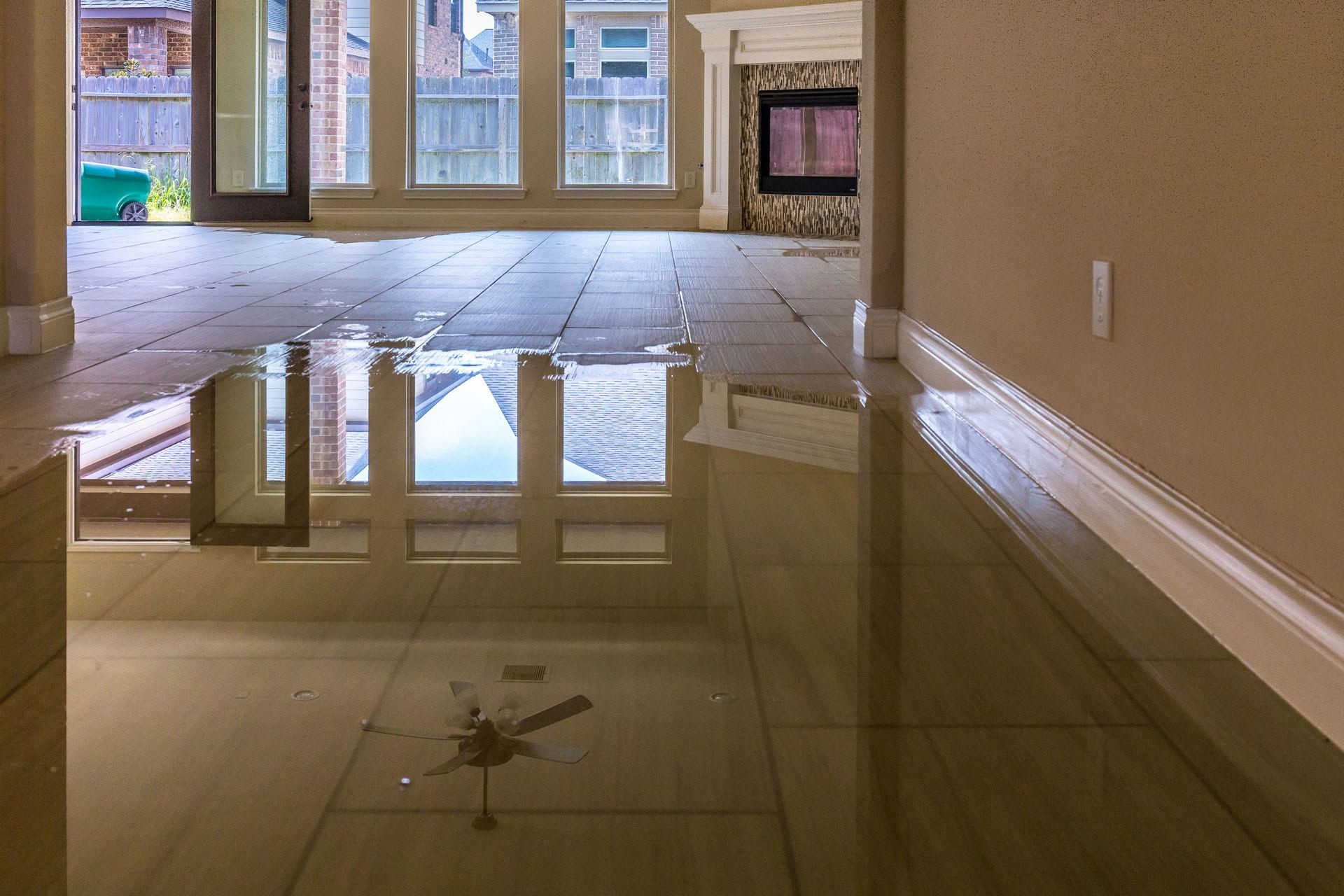
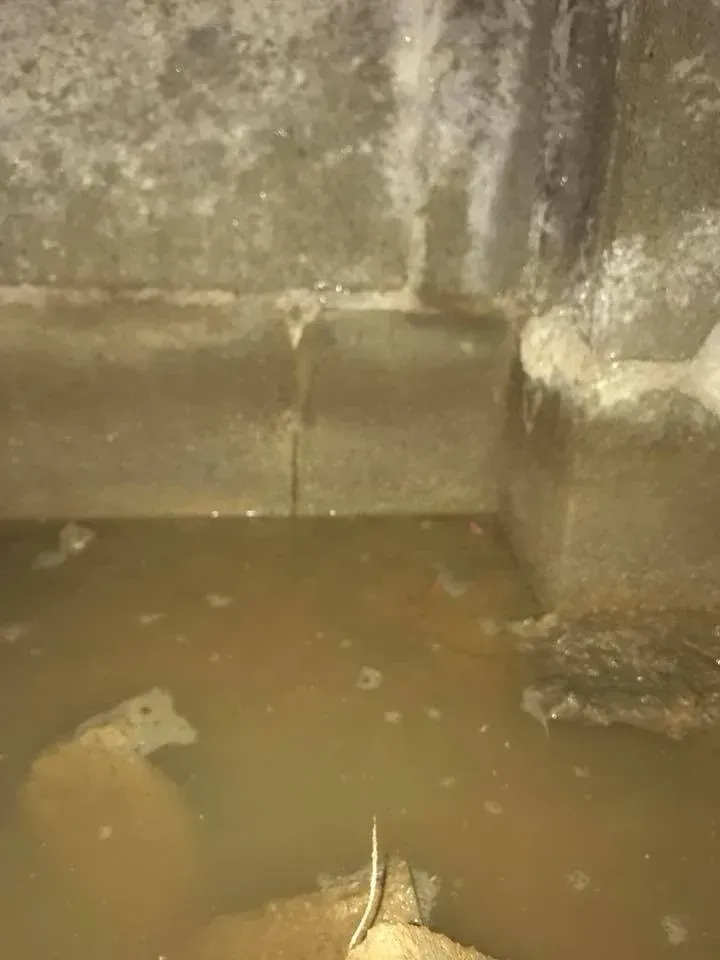
Spring Ohio River rise events and heavy freeze-thaw runoff regularly push water into Henderson basements and lower-level living spaces, where it saturates drywall, insulation, and subflooring faster than surface drying can remove it. Spottsville and Ohio River bottomland properties face recurring annual risk because their elevation and proximity to floodplain areas expose them to seasonal water intrusion that requires immediate response to prevent mold growth in wall cavities and floor systems. Surface drying that removes visible water without measuring moisture content in hidden materials leaves saturated conditions behind closed surfaces, where mold begins growing within 48 to 72 hours and spreads through wall cavities into upper living areas. Bluegrass Waterproofing and Restoration tracks moisture content using calibrated meters throughout the drying process, confirming that walls and subfloor reach safe levels before reconstruction closes them up and hides any remaining moisture problems.
Water damage restoration begins with extracting standing water, removing saturated materials that cannot be dried effectively like soaked insulation and damaged drywall, and positioning air movers and dehumidifiers to dry remaining structural materials. Moisture meters measure water content in wood framing and concrete at multiple points during drying, tracking progress until readings confirm that materials have returned to normal levels—typically below 15 percent moisture content for wood and below acceptable thresholds for concrete based on flooring type.
Call for emergency water damage response to begin extraction and drying before hidden moisture creates mold growth in wall cavities and floor systems.
What Changes After Restoration Completes
Proper drying protocol involves measuring moisture levels repeatedly over several days, adjusting equipment placement as readings change, and confirming that concealed spaces like wall cavities and subfloor areas reach safe moisture content before closing them. Contractors who dry the surface and move on miss hidden moisture that remains in structural materials, where it feeds mold growth weeks after visible water disappears. The Ohio River basin flooding calendar creates predictable seasonal risk, and 24-hour emergency availability allows response during active water intrusion events when extraction speed determines how much material can be saved versus replaced.
Once water damage restoration is completed to documented moisture thresholds, musty odors do not develop in following weeks as they would if hidden moisture remained, building materials stay structurally sound rather than softening from prolonged saturation, and mold does not appear on baseboards or in corners where wall cavities trapped moisture. Floors that were submerged no longer buckle or cup as they would if subflooring stayed damp, and humidity levels in affected spaces return to normal rather than staying elevated from ongoing evaporation of trapped moisture.
Water damage restoration focuses on drying and salvaging structural materials—cosmetic repairs like drywall replacement, flooring reinstallation, and paint touch-up occur after moisture readings confirm safe conditions. Some water intrusion events require additional waterproofing or drainage corrections to prevent recurrence, particularly in properties where seasonal flooding or groundwater intrusion creates repeated exposure.
Answers to Frequent Service Questions
Property owners across Henderson and surrounding areas in Kentucky and Indiana typically ask similar questions about water damage restoration, especially regarding how quickly response must occur and what the drying process involves.
What happens if water damage response is delayed?
Mold growth begins within 48 to 72 hours in saturated materials, structural wood softens from prolonged moisture exposure, and the volume of material requiring replacement increases significantly compared to immediate extraction and drying.
How do you confirm that hidden moisture is gone?
Moisture meters measure water content inside wall cavities, subfloor areas, and structural framing at multiple points during drying, tracking readings until they confirm that materials have reached safe levels before reconstruction closes them up.
When is building material replacement required versus drying?
Materials that absorb water rapidly and cannot be dried effectively—like insulation, carpet padding, and damaged drywall—require removal, while structural wood and concrete can typically be dried if moisture has not caused physical deterioration.
Why do some dried areas develop mold weeks later?
Surface drying that removes visible water without measuring moisture content in concealed spaces leaves saturated conditions in wall cavities and subfloor areas, where mold begins growing once surfaces are closed and airflow stops.
How does Henderson's flood risk affect restoration approach?
Spring Ohio River rise events and freeze-thaw runoff create predictable seasonal water intrusion patterns that require 24-hour emergency availability, and properties in bottomland areas may need waterproofing corrections after restoration to prevent recurring damage.
Bluegrass Waterproofing and Restoration provides 24-hour emergency services and serves repeat customers throughout the region who face seasonal water intrusion risk from Ohio River basin moisture patterns. Request immediate response for active water damage, or schedule a property assessment to identify drainage and waterproofing improvements that prevent future intrusion events.