Crawl Spaces That Block Summer Humidity
Crawl Space Encapsulation in Henderson for properties vulnerable to vapor intrusion and joist rot
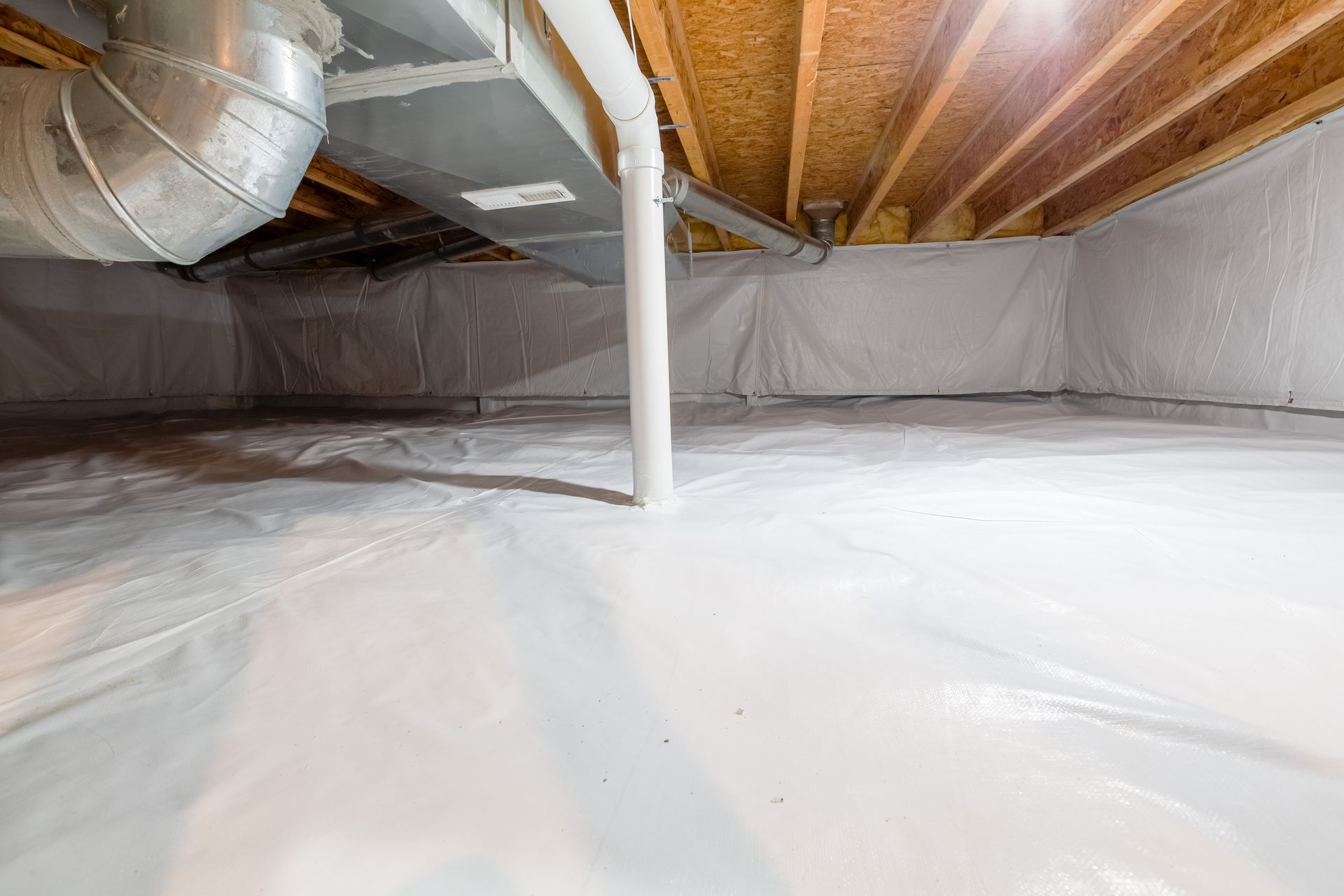
Kentucky's high summer humidity drives moisture vapor upward through unencapsulated crawl spaces, where it condenses on cooler floor joists and creates the wet conditions that feed mold growth and wood rot. Properties in Robards and Smith Mills face particularly high risk because their crawl spaces trap humid air against structural wood throughout the growing season, when outdoor dew points regularly exceed 65 degrees and vapor pressure pushes moisture into any unsealed below-grade space. Full-system encapsulation seals walls, floors, and rim joists as a continuous barrier, preventing the seasonal moisture cycle that partial vapor barrier installs fail to stop.
Bluegrass Waterproofing and Restoration approaches encapsulation as a complete system rather than a floor-only install, because moisture vapor enters through foundation walls and rim joist gaps just as readily as through exposed soil. Partial installs that cover only the crawl space floor leave entry points open along the perimeter, allowing humid air to infiltrate and rendering the floor barrier ineffective within two to three seasons. Comprehensive encapsulation requires sealing every surface where exterior moisture can enter the space.
Arrange an on-site evaluation to identify crawl space moisture entry points and determine the full encapsulation scope for your property.
How Encapsulation Addresses Moisture Intrusion
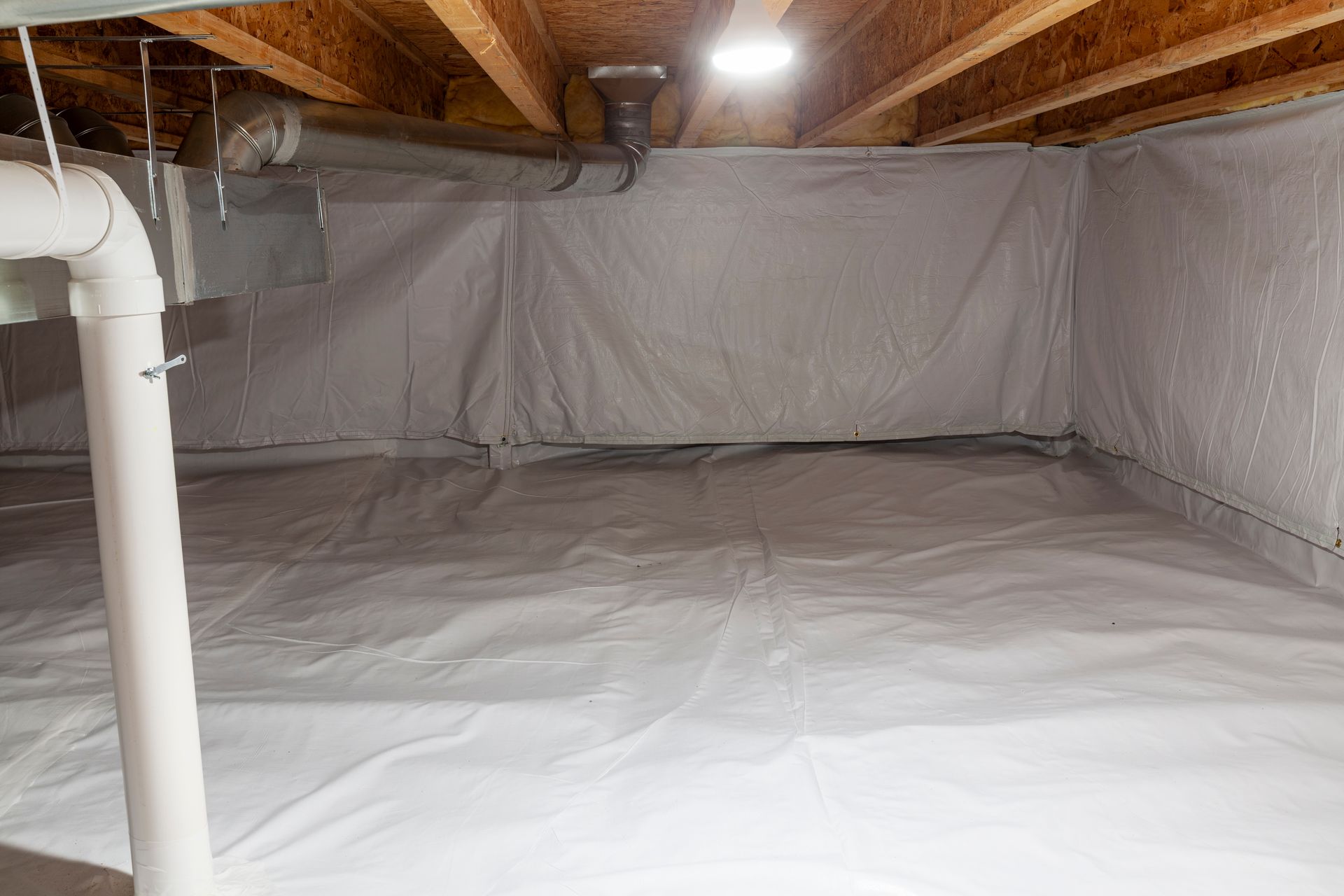
Complete crawl space encapsulation involves installing heavy-mil vapor barriers across the floor, extending coverage up foundation walls, and sealing rim joist cavities where wood framing meets the foundation. Each seam must be overlapped and sealed to create a continuous moisture barrier, because gaps at wall transitions or support pier penetrations allow vapor infiltration that defeats the entire system. Ohio River basin humidity patterns make this continuity critical—summer dew points in Henderson regularly create conditions where any unsealed path allows moisture accumulation.
After encapsulation is completed, crawl spaces stay noticeably drier, musty odors that previously drifted into living areas through floor registers disappear, and floor joists no longer show condensation staining or soft spots from rot. HVAC systems run more efficiently because they're not fighting against humid air being pulled up through the floor system, and insulation in floor cavities stays dry instead of compressing from moisture weight and losing thermal performance.
Encapsulation does not address active groundwater intrusion or standing water issues, which require separate drainage corrections before vapor barrier installation. Crawl spaces with visible water pooling need grading adjustments or sump systems installed first, because encapsulation barriers are designed to block vapor transmission, not manage liquid water.
Answers to Frequent Service Questions
Homeowners throughout Henderson and the surrounding Kentucky region ask similar questions about crawl space encapsulation, particularly regarding system longevity and moisture control effectiveness.
What makes full-system encapsulation different from a partial vapor barrier?
Full-system encapsulation seals walls, floors, and rim joists as one continuous barrier, while partial installs cover only the floor and leave perimeter entry points open where humid air infiltrates and condenses on structural wood.
Why do partial encapsulation installs fail?
Moisture vapor enters crawl spaces through foundation walls and rim joist gaps just as readily as through exposed soil, so floor-only barriers allow perimeter infiltration that saturates joists and feeds mold within two to three wet seasons.
When should crawl space encapsulation be done?
Late spring through early fall provides optimal conditions for installation work, though Henderson's humidity patterns make encapsulation beneficial year-round for preventing the seasonal moisture cycle that rots floor framing.
How does encapsulation affect HVAC performance?
Sealed crawl spaces eliminate the humid air load that HVAC systems otherwise pull into living areas through floor cavities, reducing runtime and preventing the condensation that forms on cold supply ducts running through humid spaces.
What maintenance does an encapsulated crawl space need?
Periodic inspection of seams and penetration points confirms barrier integrity, though properly installed systems using heavy-mil materials require minimal maintenance beyond checking that perimeter seals remain intact.
Bluegrass Waterproofing and Restoration documents encapsulation work across the region and provides 24-hour emergency services for moisture intrusion events that require immediate response. Request a crawl space assessment to review current conditions and determine whether full-system encapsulation or additional drainage corrections are needed for your property.