Hidden Decking Rot Determines Whether Repairs Hold
Roof Repair and Replacement in Henderson for properties where attic inspection reveals moisture damage that surface-only assessments miss
Roof failures in the Tri-State often begin beneath the shingles, where decking exposed to years of small leaks delaminates and loses structural integrity long before the damage becomes visible from the ground. A visual inspection from a ladder shows shingle condition but misses the critical indicators inside the attic—water staining on rafters, sagging decking between trusses, and ventilation blockages that trap heat and moisture against the roof structure. Bluegrass Waterproofing and Restoration includes attic access as part of the assessment process, catching decking rot and ventilation failure that determine whether a repair will hold or fail within the next storm season.
Storm damage in Henderson's severe weather corridor compounds over time—hail impacts from one season weaken shingle granule adhesion, wind-driven rain the following year penetrates beneath compromised shingles, and the decking beneath begins to rot from repeated moisture exposure. By the time a leak appears inside the home, the damage often extends well beyond the visible entry point.
Request a roof evaluation that includes attic inspection to assess decking condition and ventilation performance before committing to repair or replacement.
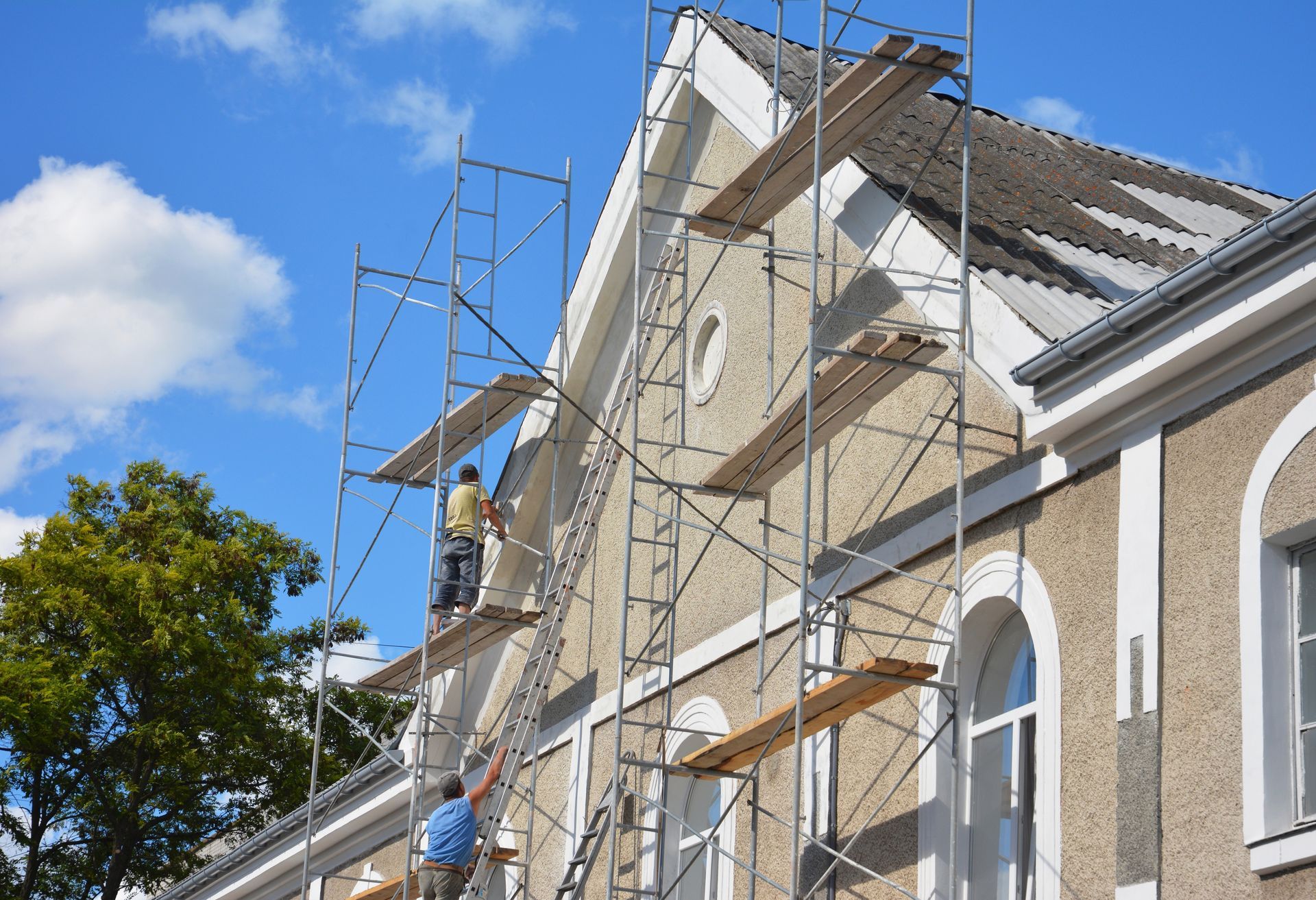
What Attic Inspection Reveals About Roof Condition
From the attic, decking condition is visible between rafters—sound plywood remains flat and shows no discoloration, while compromised decking sags, shows dark water staining, or delaminates into layers when moisture has penetrated the surface. Ventilation performance is also assessable from inside, revealing whether soffit vents are blocked by insulation, whether ridge vents are functioning, and whether heat buildup is accelerating shingle aging from underneath.
Once the roof work is finished, leaks stop entirely, attic temperatures moderate because ventilation pathways are clear and functional, and ceiling stains no longer expand after storms. The roof functions as a complete weather barrier rather than a temporary patch that delays the inevitable replacement.
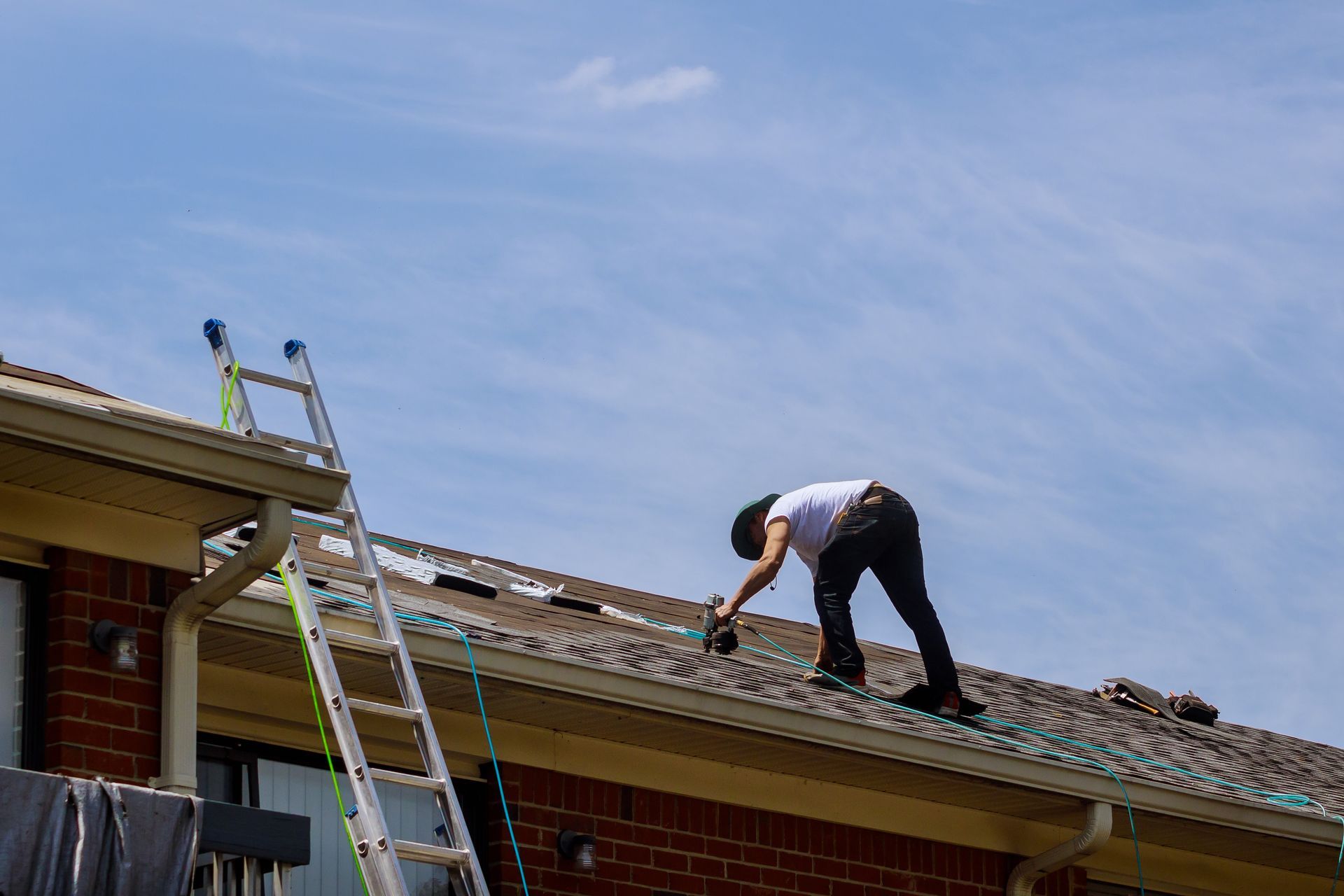
Replacement scope includes complete shingle removal, decking inspection and replacement where compromised, new underlayment and drip edge installation, and shingle application with wind-rated nailing patterns. Repair work targets localized damage, flashing corrections, and small sections of decking replacement when the majority of the roof structure remains sound and the shingles have useful life remaining.
What Property Owners Usually Ask
Questions about roof repair and replacement in the Tri-State often center on storm damage assessment, the difference between cosmetic and structural damage, and how ventilation affects roof lifespan.
What does compromised roof decking look like from the attic?
Compromised decking shows water staining, sags between rafters instead of remaining flat, or delaminates into separate plywood layers where moisture has broken down the adhesive—these signs indicate the decking won't hold fasteners properly and must be replaced before new shingles are installed.
How does poor attic ventilation damage a roof?
Inadequate ventilation traps heat and moisture in the attic space, which accelerates shingle aging from the underside, causes condensation that rots decking, and creates ice damming in winter when warm attic air melts snow that refreezes at the eaves.
Why does storm damage from previous seasons matter if the roof isn't leaking yet?
Storm damage weakens shingle integrity and allows moisture to begin penetrating the underlayment and decking—what starts as small granule loss or bruising from hail becomes a full leak once the next severe weather event hits and exploits the already compromised areas.
What's included in a roof repair versus a full replacement?
Repair work addresses specific damage areas like missing shingles, damaged flashing, or small sections of failed decking, while replacement involves complete removal of old materials and installation of a new roof system when damage is widespread or the roof has reached the end of its functional lifespan.
When should I schedule a roof inspection after a storm in Henderson?
Inspections should happen as soon as possible after severe weather to document damage while it's clearly attributable to the event and before additional storms add new damage that complicates insurance claims or makes it harder to distinguish old wear from recent impact.
Bluegrass Waterproofing and Restoration operates across the Tri-State with 24-hour emergency services for urgent storm damage situations and repeat business throughout Owensboro, Morganfield, and surrounding markets. Schedule a detailed inspection to determine whether your roof requires targeted repair or complete replacement based on attic findings and surface condition.